Table of Contents
Why Is My Swimming Pool Smelly? The Chemical Truth Behind Odors
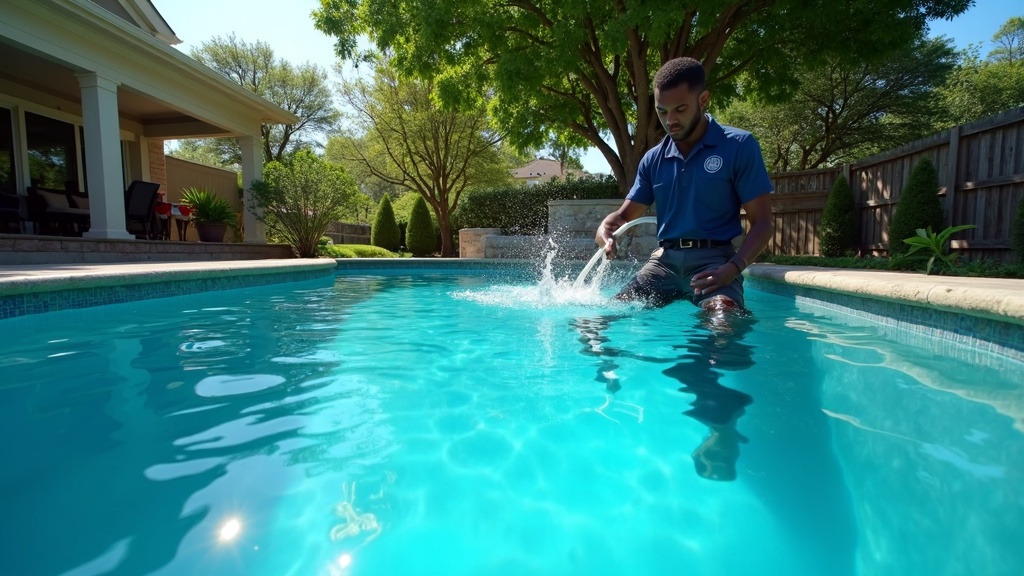
If you’re asking “Why Is My Swimming Pool smelly,” the answer is almost always a chemical imbalance. Pools produce odors when chlorine reacts with ammonia-based contaminants like sweat, urine, and body oils.
The strongest smell is chloramines, which cause that “chlorine” odor. Contrary to popular belief, a strong chlorine smell means your pool actually has too little free chlorine, not too much.
Houston’s hot and humid climate accelerates algae and bacteria growth, making smelly pools a common complaint. Proper testing and shock treatments eliminate the odor at its source.
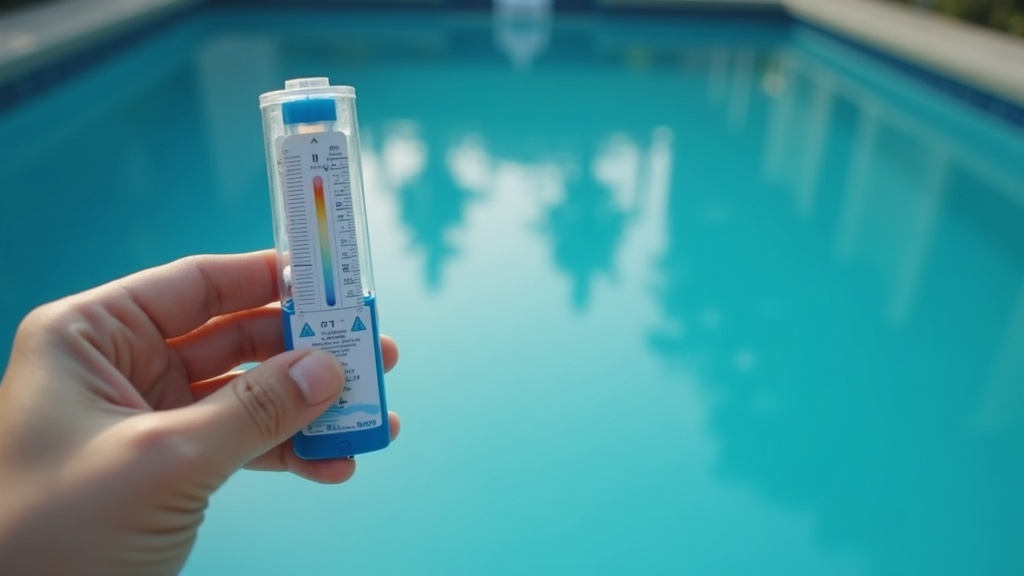
Our Pool Services In Houston team encounters this issue daily. We recommend testing free chlorine levels with a reliable kit before adding any chemicals.
Always keep pH between 7.2 and 7.8. Low pH corrodes equipment and irritates eyes; high pH reduces chlorine effectiveness, creating the perfect environment for smelly compounds.
Common Causes of Pool Odors in Houston
Houston’s climate creates unique challenges. High humidity and frequent rain introduce organic matter like pollen, leaves, and dirt, fueling bacteria that produce bad smells.
Algae blooms release a musty, earthy odor, especially in shaded pools. Green algae is obvious, but mustard algae can be subtle yet smelly.
Another culprit is a clogged or dirty filter. If your filter is full of debris, it recirculates bacteria and contaminants, making the water smelly even if chemicals seem balanced.
Dead algae and biofilm in pipes can also generate a rotten egg smell. This requires a thorough cleaning or even pipe inspection by professionals.
Visit our Home page to learn more about our comprehensive services.
Improperly stored chemicals can also cause off-gassing odors. Keep chlorine and pH adjusters in a cool, dry place away from sunlight.
Swimmer hygiene matters too. Even low bather loads introduce ammonia and sweat that form chloramines quickly.
Why Is My Swimming Pool Smelly Like Chlorine? The Chloramine Problem
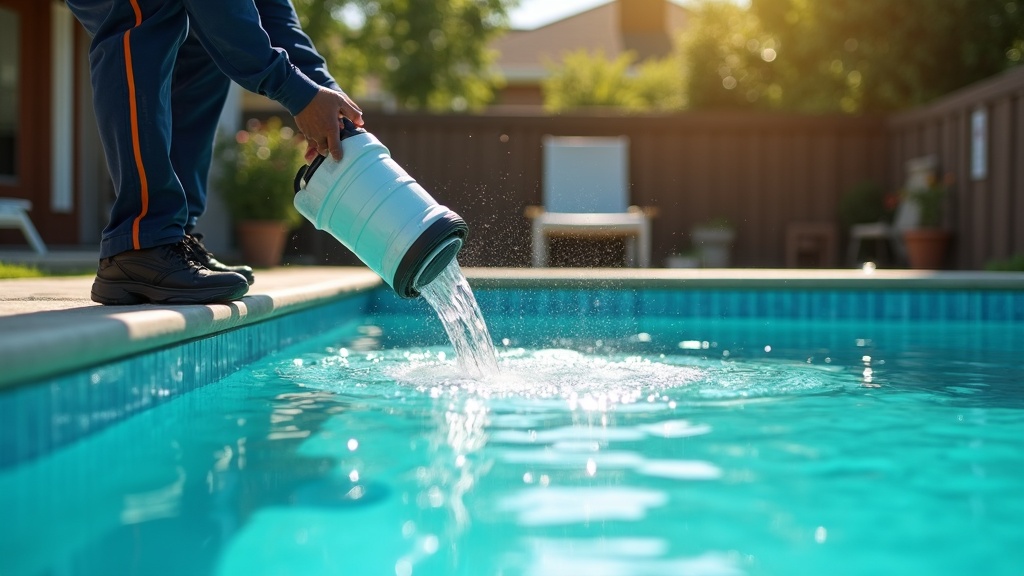
Chloramine is formed when free chlorine reacts with ammonia. It causes both the strong bleach smell and eye irritation. The solution is superchlorination or “shocking” the pool.
Shocking raises free chlorine to breakpoint (10x the combined chlorine level). For example, if combined chlorine is 0.5 ppm, you need to add enough chlorine to reach 5 ppm free chlorine.
Non-chlorine shock can also oxidize chloramines, ideal for pools with high bather loads. Always follow manufacturer instructions.
For persistent smell issues, test cyanuric acid levels. Too much stabilizer locks chlorine, preventing it from sanitizing effectively and leading to chloramine buildup.
Musty, Earthy, or Rotting Odors: Algae and Bacteria
A musty smell often indicates algae. Houston’s warm water encourages algae growth even with proper chlorine levels if circulation is poor.
Algaecides and brushing walls and floor physically remove algae. Follow up with a flocculant to clear dead algae from the water.
Rotten egg or sewage smells point to anaerobic bacteria in pipes, filters, or heater. This needs immediate attention because it can damage equipment.
Hydrogen sulfide from decaying organic matter in the filter can also cause that egg smell. Backwashing or replacing sand/de cartridges is often necessary.
If you smell gas (like methane) near the equipment, you may have a heater issue. Turn off the unit and call a professional immediately.
Contact us via Contact Us. for an inspection if odors persist after chemical adjustments.
Diagnosing Smelly Pool Water: Step-by-Step Guide
First, test free and total chlorine. Use a DPD test kit for accuracy. Digital testers like the LaMotte ColorQ are excellent for precise readings.
Second, test pH and alkalinity. Alkalinity should be 80–120 ppm, pH 7.4–7.6. Low alkalinity causes pH swings, making chlorine ineffective.
Third, check calcium hardness and cyanuric acid. High CYA (>100 ppm) may require partial drain and refill to reduce stabilizer levels.
Fourth, inspect the filter. Pressure gauges tell you if it’s dirty. Clean or replace cartridges annually, and backwash sand filters weekly in summer.
Fifth, smell the filter area. A rancid smell means bacterial growth inside the filter tank. Use a filter cleaner or replace media.
Finally, consider environmental factors like nearby farms, septic systems, or heavy rains that introduce nitrates and phosphates, fueling algae and odors.
For professional diagnostic help, our Pool Services In Houston includes complete water analysis.
Chemical Guide to Eliminate Pool Odors
Below is a quick reference table for common odor types and their chemical solutions. Always follow product label directions for your pool size.
| Odor Type | Cause | Solution | Target Level |
|---|---|---|---|
| Strong chlorine | Chloramines | Shock with calcium hypochlorite or sodium dichlor | Free chlorine 3-5 ppm |
| Musty/earthy | Algae | Algaecide + brush + flocculant | 0 ppm algae |
| Rotten egg | Anaerobic bacteria | Shock + enzyme treatment + filter clean | Free chlorine 10 ppm |
| Fishy | Contaminants (e.g., sunscreen) | Non-chlorine shock + clarifier | ORP > 650 mV |
Preventative Maintenance Tips for a Fresh Pool
Run your pump 8–12 hours daily during summer. Good circulation prevents stagnant pockets where bacteria breed.
Skim leaves and debris daily. Organic matter breaks down and creates ammonia that forms chloramines.
Shock your pool weekly during heavy use. In Houston’s summer, even twice a week may be necessary.
Clean or backwash the filter when pressure rises 8–10 psi above normal. A dirty filter reduces water clarity and harbors odor-causing bacteria.
Use a pool cover at night to reduce evaporation and prevent debris from entering. This also stabilizes chemical levels.
Schedule professional Pool Services In Houston monthly for deep cleaning and chemical balancing.
Enzymes break down oils and organic contaminants before they become food for bacteria. Add a maintenance dose weekly.
Test water every 2–3 days during summer. Automated chlorinators can help, but manual testing is still essential.
Check salt cells if you have a saltwater pool. Calcium buildup on cells reduces chlorine production, leading to chloramine odors.
Avoid swimming with sunscreen or lotions. Shower before entering the pool to reduce body oils and ammonia.
Ensure your pool’s pH and alkalinity are always in range. Unbalanced water is the #1 reason for persistent odors.
Replace old filter cartridges or sand every 5 years. Worn-out media cannot trap fine particles that cause smells.
Inspect your pool heater for leaks or rust. Corroded heat exchangers can emit metallic odors that riders mistake for chemical issues.

When to Call a Professional Pool Service in Houston
If you’ve tried shocking, balancing, and cleaning filters but the smell persists, it’s time for expert diagnosis. Hidden algae in pipes or underground leaks can cause odors that homeowners can’t fix.
Professionals use advanced tools like CYA testers, phosphate tests, and ATP meters to detect bacterial loads. They can also perform pipe cleaning with high-pressure jets.
At Pool Services In Houston, we offer complete odor elimination packages. Our team has over 15 years of experience with Houston’s unique water chemistry.
Ignoring a smelly pool can lead to algae blooms, equipment damage, and health risks like skin rashes or respiratory irritation. Don’t wait until the problem gets worse.
If you smell gas near equipment, turn off all systems, ventilate the area, and call a licensed pool technician immediately.
Regular professional maintenance costs less than emergency repairs. Many Houston pool owners save money with monthly service plans.
Check our Contact Us. page for a free quote on odor inspection and service.
Final Verdict: Why Is My Swimming Pool Smelly and How to Fix It
In summary, the answer to “Why Is My Swimming Pool smelly” is usually chloramines, algae, or poor filtration. Test your water, shock the pool, and clean the filter.
For Houston residents, the climate demands more frequent maintenance. High heat, rain, and humidity create perfect conditions for odor-causing contaminants.
Invest in a high-quality test kit and follow a routine schedule. Use combination products carefully to avoid over-stabilizing.
When in doubt, hire a professional. Our Home page lists our full services and contact details.
Remember: a smelly pool is a sign your pool needs attention, not that it’s broken. With proper care, you can enjoy fresh, clear water year-round.
Frequently Asked Questions
Why does my pool smell like chlorine if it’s clean?
A strong chlorine smell indicates chloramines, which form when free chlorine reacts with ammonia from sweat, urine, or other organic matter. It actually means free chlorine levels are too low for proper sanitation. Shocking the pool to breakpoint will eliminate the odor.
How can I get rid of the rotten egg smell in my pool?
Rotten egg smell usually comes from hydrogen sulfide produced by anaerobic bacteria in pipes, filters, or heaters. Shock the pool heavily, clean or backwash the filter, and run the pump continuously. If the smell persists, call a professional to inspect for bacterial biofilms.
Is a smelly pool safe to swim in?
Not necessarily. Chloramines can cause eye and skin irritation, and bacteria or algae may pose health risks. It’s best to avoid swimming until you restore chemical balance and eliminate the odor through shocking and filtration.
Why does my pool smell musty after rain?
Rain introduces organic debris, phosphates, and nitrates that feed algae and bacteria. The musty odor is often from algae or decomposing matter. Shock the pool, add algaecide, and clean your filter to remove contaminants. Balancing pH and chlorine afterward is crucial.